
Rethinking Business, Technology, and Leadership
Dr. Deepak Chauhan
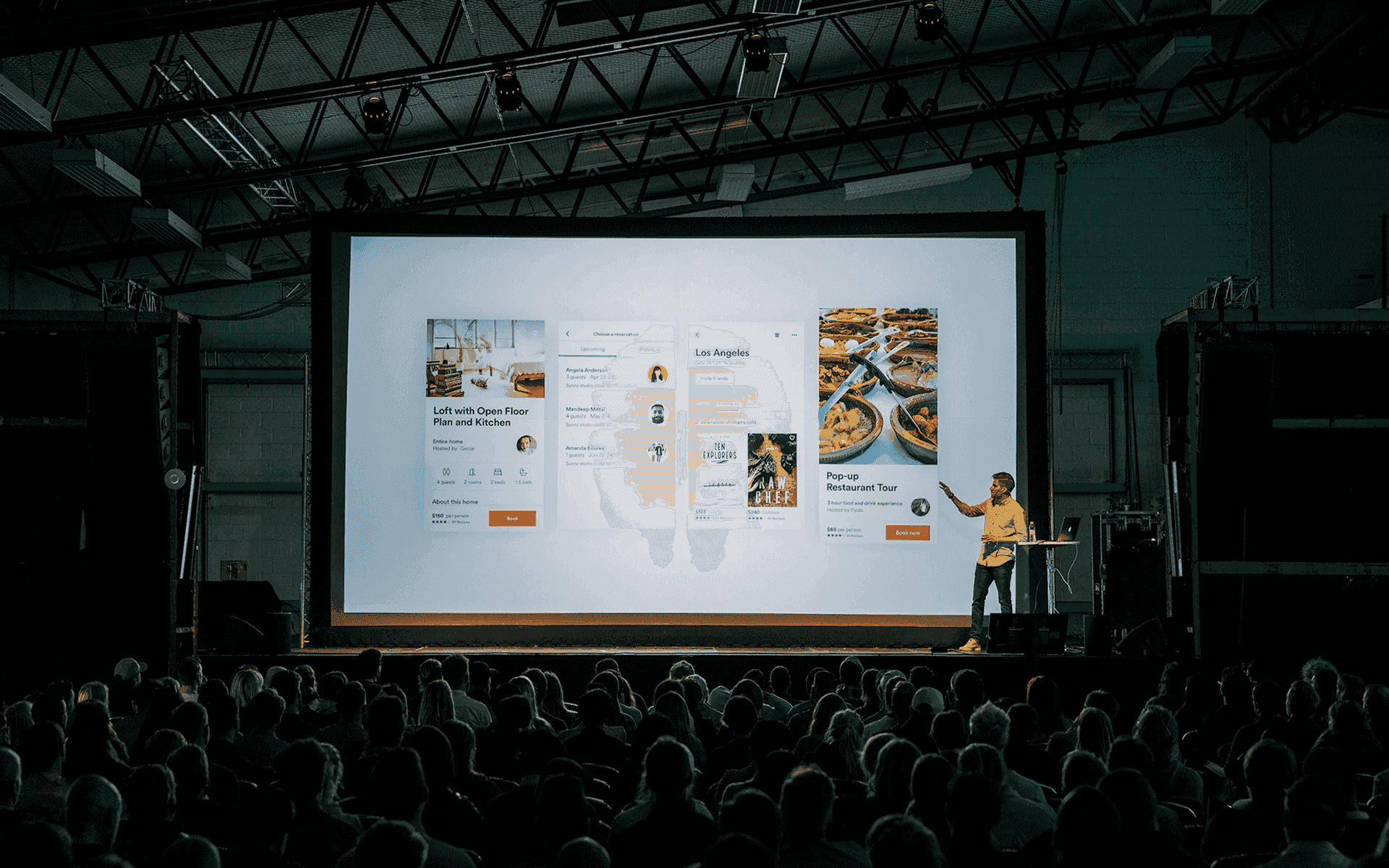

Speaker
Dr. Deepak Chauhan
Chief Plarform Officer, EzzyShip
Adjunct Faculty at IIM Lucknow & IIM Indore

Date
28 August 2026
10:00-13:00

Venue
Seminar Hall, Department of Management Studies, IISc, Bengaluru


Abstract
India’s democratic future will be shaped not only by elections, legislatures and courts, but also by the everyday systems through which citizens access the State: identity, welfare, payments, health, education, land records, grievance redress and local public services. As Digital Public Infrastructure (DPI) becomes central to governance, it offers an important opportunity to expand state capacity, reduce administrative fragmentation and deliver public services at a scale commensurate with India’s population and diversity. At the same time, it raises a fundamental democratic question: can the State become more efficient without becoming more distant, opaque or unaccountable? This talk examines the relationship between DPI, fiscal scale and democratic civility in the Indian context. It argues that technology should be understood not merely as an instrument of administrative modernisation, but as part of the evolving architecture of citizenship. Shared digital systems can help state governments reduce duplication across departments, improve the targeting and portability of benefits, strengthen expenditure monitoring, and create economies of scale in public procurement and service delivery. This matters especially because state governments undertake a substantial share of India’s public expenditure and are responsible for many of the services through which citizens directly experience governance. However, scale alone cannot be the measure of success. A welfare platform that is inaccessible to persons without devices, reliable connectivity, documentation, digital literacy or language support can reproduce exclusion even while appearing technologically sophisticated. Similarly, automated decisions, data-driven targeting and interoperable databases can improve administrative efficiency, but they must be accompanied by transparency, robust grievance redress, human assistance, clear lines of responsibility and meaningful avenues of appeal. DPI is often defined as a set of interoperable and scalable foundational digital systems that support public and private innovation; its democratic value, however, depends on who can access it, who governs it, and how citizens can contest its failures. The talk therefore places the contemporary digital State in conversation with the constitutional idea of fraternity. The Preamble does not imagine democracy only as a mechanism of representation; it commits the Republic to justice, liberty, equality and fraternity, with fraternity assuring the dignity of the individual and the unity and integrity of the nation. In this sense, civility is not simply good manners in public life. It is an institutional ethic: the obligation of public authority to treat every individual with dignity, to explain decisions, to correct errors, to hear complaints and to ensure that efficiency does not override fairness. The central proposition is that India needs a model of governance that combines scale with dignity. Fiscal innovation must enable states to build shared public capabilities rather than fragmented, scheme-specific systems. Digital innovation must deepen access rather than merely digitise exclusion and democratic institutions must ensure that the citizen remains more than a data point, beneficiary record or transaction. The future of Indian democracy will depend on whether its expanding administrative and technological capacity is anchored in constitutional morality, public trust and an everyday culture of civility.
About the Speaker
Dr. Deepak Chauhan
Adjunct Faculty at IIM Lucknow & IIM Indore
Stephen is a recipient of Clinton Global Initiative Award 2020 (USA), King’s International Scholarship 2019 (UK), Hanson Prize (UK) & London Civic Award. He is the Founder of Yes We Can Vizag & We The People India Mangalore youth NGOs and a think-tank, Centre for Future of Democracy Hyderabad.
Additional Information
All are welcome to attend.
An immersive workshop exploring how technlogy reshapes value creation, strategy and leadership.